Biblical Light

Articles using Scripture to show Light in God’s Word.

The Crown

The Coronation Ceremony for the new king in Great Britain will take place in just a few days on May 6, 2023. It is an occasion celebrated with great pomp and ceremony.

The Crown, the anointing, the symbols of heraldry, the hymns and the precious jewels all help to confirm the Israelite origins of the people of Britain and their brethren of the United States colonies. They are symbolized as the twin sons of Joseph, son of Jacob, son of Isaac, son of Abraham, having the Lion of the Tribe of Judah to reign over them as king. The name, ‘Saxon’, means Isaac’s-sons.

The legend of the ‘Sword in the Stone’ or Excalibur is the mythical sword of King Arthur associated with the rightful sovereignty of Britain. Whosoever can pull the Sword from the Stone is deemed to be the rightful heir to the throne and the crown. This story is also based on a story of the Biblical Deliverer and Lawgiver, Moses.

“Some of the symbolism within the coronation ceremony for British monarchs perpetuates the ancient Roman Catholic monarchical ideas. This ceremony is nearly entirely based upon that of the Coronation of the Holy Roman Emperor.”

Wikipedia

All the pomp comes in from the Roman Empire, but the anointing of King David was quite simple. So, let’s separate the two, Israel and Rome, and see what these things mean in reality. In the many recent articles and videos covering this subject, references to King Solomon and ‘God’s Chosen’ have been frequently heard. So, what were the instructions of the LORD God made to his father, King David, through Moses?
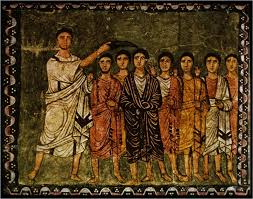
The Prophet Samuel anointing God's chosen, King David
The Prophet Samuel anointing God’s chosen king, David

The Passover Lamb

According to the encyclopedia: “the Passover sacrifice, also known as the Paschal lamb or the Passover lamb, is the sacrifice that the Torah mandates the Israelites to ritually slaughter on the evening of Passover, and eat on the first night of the holiday with bitter herbs and matzo.”

The Spotless Lamb of God

Take a look here and see how much deeper the meaning of this Feast goes as it relates to Christ, our Salvation and Deliverance. For the time is at hand!

Q&A: Who is the “queen of heaven” referred to in Jeremiah?

In Jeremiah, the “queen of heaven” is mentioned in two places, chapter 7 and 44. To answer this question, we are going to focus on chapter 7. So, lets start with the scripture.

Do you not see what they do in the cities of Judah and in the streets of Jerusalem?

The children gather wood, and the fathers kindle the fire, and the women knead their dough, to make cakes to the queen of heaven, and to pour out drink offerings unto other gods, that they may provoke Me to anger. (cf. Jer 44:17-25)

Do they provoke Me to anger? says the Lord: do they not also provoke themselves to the confusion (shame) of their own faces?

Jeremiah 7:17-19

Notice that this worship practice which provokes God’s anger causes shame and confusion as well. Let’s see…

The Passover Moon

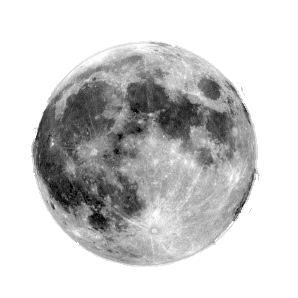
On April 5th, 2023 people around the world will remember the Passover. In the time of Moses, God’s wrath passed over the Israelites but not their oppressors the Egyptians. This led to the exodus out of Egypt. One aspect of the timing of Passover is that it coincides with a full moon! God said there will be signs or indications in the moon. With that, we look to the indications in the moon relating to the very first Passover and the next one to come in God’s time, not next week.

“And God said, Let there be lights in the Firmament of the Heaven to divide the day from the night; and let them be for signs, and for seasons, and for days and years.”

Genesis 1:14

March Madness

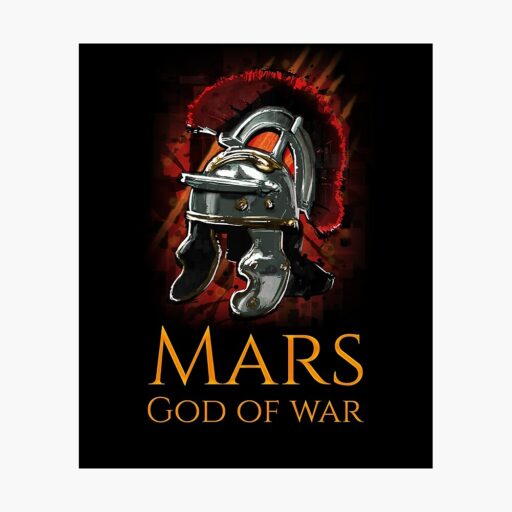
The month of ‘March’ is named after Mars, the Roman god of war, which is madness in itself. The Romans have always been a war-like people. The original Roman calendar began with the month of March. Beginning with Spring, it is the time when they could all go out and begin fighting each other again. It was March Madness!

The God of War! WHAT??
Mars, the Roman god of war

January is named for the Roman god, Janus; February for a Roman festival of purification. These were added later when the calendar underwent another reformation. The way they keep changing times and dates is sheer madness!

Scroll to Top