Holidays of Man

These article address the holidays of man.  These are not holidays from God.  By looking at the roots of the “holy days” or holidays you can see for yourself if they have anything to do with God.  God has said what he hates, it is time to listen!

What does Passover have to do with Easter?

What does Easter have to do with Passover? In a word: nothing! Both “holy days” are celebrated in the Spring and both are described as “abomination” in God’s Word. These designations are all they have in common. Easter originated in ancient Babylon as the worship of the “god” Tammuz and his mother, Ishtar/Ashtoreth and while they say Passover originates in the Torah, when looked at closely there is little resemblance to what they do and what is contained in the Book of Exodus and all the Law. Hebrews 10:1, says “the Law is a shadow of good things to come and not the very image of the thing.”
The Laws of the Covenant
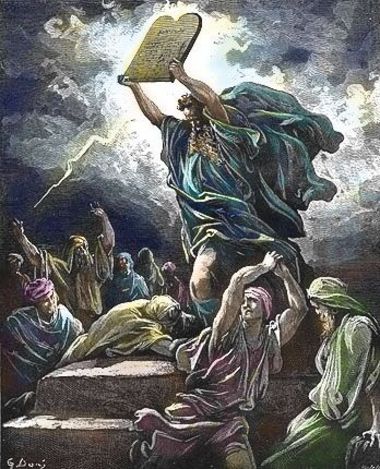
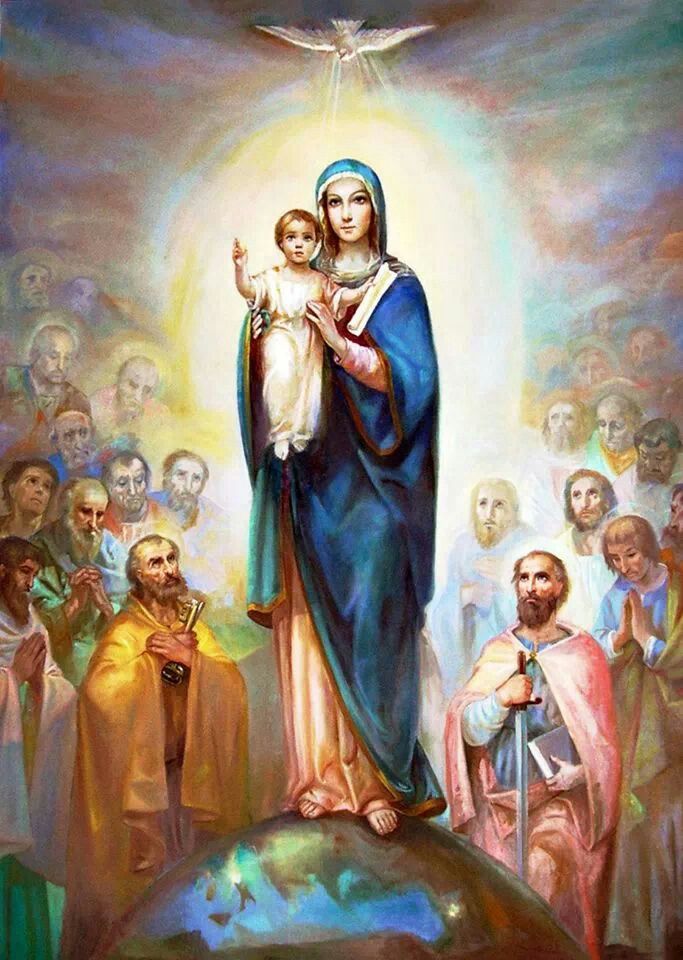
“You shall not make to yourselves any graven image… You shall not bow down to them nor serve them, for I the LORD your God am a jealous God…”
Exo 20:4-5

The Pagan Origins of St. Patrick’s Day, March 17th

According to Wikipedia, “Saint Patrick’s Day, or the Feast of Saint Patrick, is a cultural and religious celebration held on 17 March, the traditional death date of Saint Patrick, the foremost patron saint of Ireland.” This doesn’t really give much information! The truth is the whole tradition of Patrick is nothing but a deception designed to make the Irish people forget their heritage and follow Roman Catholicism. Patrick’s birth name was Patricius Magonus Sucatus. When he was about 14-16 he was captured by Irish raiders and taken to Ireland where he was enslaved by them to be a herdsman. After some time, he escaped on a ship headed for Gaul where he became a disciple of Germanus of Auxerre, proclaimed another Catholic “saint,” a man criticized for leading people in pagan ways, who went to Britain preaching and setting up seminaries.

Is that Lent in your pocket?

During this time of year – some might ask – Why don’t you do lent?  My answer is Why do it?  Anyone who has had a child knows that the number one question asked of a parent is “Why?”  This is a valid question that must needs be answered here.  If you consider God’s Word, there is no mention of Lent the way it is practiced today.  Why?!  Lent is the pre-cursor to the most important “holy-day” according to some, so why is the practice not found in the Word of God?  Did Moses say “thou shalt put ash on your forehead on the Wednesday after Fat Tuesday and give up something for forty days?”  Most definitely-he did not!   Therefore – we can deduce that this practice has It’s roots elsewhere.

According to Alexander Hislop in his book The Two Babylons, the forty days’ abstinence of Lent was directly borrowed from the worshippers of the Babylonian goddess (Ishtar – Astarte – the Queen of Heaven) … Among the Pagans this Lent seems to have been an indispensable preliminary to the great annual festival in commemoration of the death and resurrection of Tammuz, which was celebrated by alternate weeping and rejoicing …

Valentine’s Day? or The god of love?

In 2017 retail spending for Valentine’s day is expected to reach $19 billion.

This is not a “holy” day; It is the Roman pagan festival of Lupercalia, a fertility celebration which eventually was “Christianized” in 496 by a pope – like many other pagan festivals.

This video exposes the origins of this practice used to prosper the merchants of the earth.

“And in all things that I have said unto you be circumspect: and make no mention of the name of other gods, neither let it be heard out of your mouth.” Exodus 23:13

Is Easter Holy?

Is Easter a true holiday, or holy day, in the eyes of God?  The majority of those calling themselves “Christian” think that they practice the customs of Easter in order to worship God; however, they are dead wrong.

Many were brought up to believe that Easter is a magical day celebrating Jesus’ resurrection, which involved painted eggs, the Easter Bunny, and hot cross buns.  It might spoil the fun, but every tradition surrounding Easter has its roots in paganism and, in reality, has nothing to do with Jesus at all.  In fact, if one looks up “Easter” in the dictionary, they will find the word “pagan” in the definition somewhere.  For example, Webster’s defines Easter as “originally a pagan festival in honor of the Goddess of Spring, Eastre, held in April”.

Scroll to Top